
Last updated on April 22, 2026
Legend has it Genghis Khan consumed Cistanche daily, and his armies carried it across Central Asia as a staple tonic on their campaigns. Whether or not the Khan himself was a devotee, the story points to something real: Cistanche has been one of the most prized yang tonics in Chinese medicine for over 1,500 years.
Known as rou cong rong (肉苁蓉) – which translates roughly to “fleshy, supple stem” – Cistanche is a parasitic desert plant that grows on the roots of host trees in arid regions of China, Mongolia and Central Asia. It’s sometimes called “desert ginseng,” not because it’s related to ginseng botanically, but because it holds a comparable status in traditional medicine. Where ginseng is the premier qi tonic, Cistanche is considered one of the premier yang and jing tonics – traditionally used for sexual vitality, physical endurance and what we’d now call hormonal health.
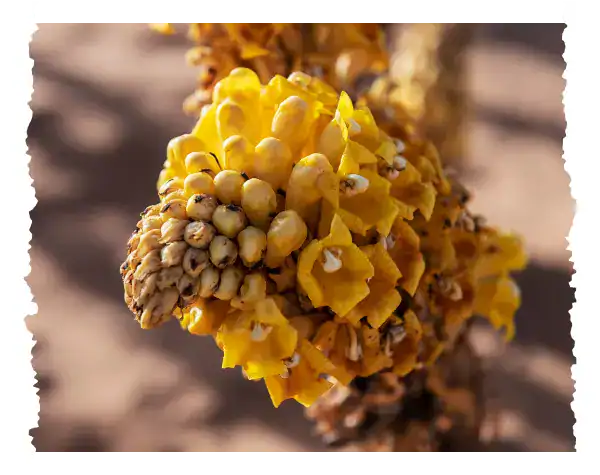
What made it valued historically is also what makes it interesting now: unlike more aggressive yang tonics like Epimedium (aka Horny Goat Weed), Cistanche was considered gentle enough for daily long-term use. Modern supplement companies have taken notice and Cistanche has moved from a niche TCM ingredient into the testosterone and longevity supplement space. But as with any herb gaining mainstream popularity, quality varies enormously.
This guide covers what the research says, how to choose a quality Cistanche supplement, how the top products compare and how to use it effectively.
The Short Version
For Cistanche supplementation in 2026, Cistanche tubulosa extract standardized to echinacoside content is the most evidence-backed choice based on available research. Lost Empire Herbs offers the highest specified echinacoside widely available at 42.5% (compared to the typical 10-22%), with organic certification, Tibetan Plateau sourcing and six published certificates of analysis including heavy metals tested well below safe limits. For budget-friendly options, Nutricost (10% echinacoside, 120 capsules, ~$19, NSF-certified facility) and Life Extension (22% echinacosides, 210mg dose) offer lower-potency alternatives at lower price points. When comparing products, prioritize: species identification (C. tubulosa preferred), echinacoside percentage, published third-party test results and organic certification.
What Is Cistanche?
Cistanche is a parasitic desert plant (genus Cistanche, family Orobanchaceae) that has been used in traditional Chinese medicine for over 1,500 years as a kidney yang tonic for energy, sexual vitality and longevity. It grows on the roots of host trees in arid regions of China, Mongolia and Central Asia. The primary bioactive compounds are phenylethanoid glycosides (PhGs) – particularly echinacoside, the compound responsible for most of Cistanche’s studied effects on neuroprotection, hormonal support and anti-aging. The two species used in supplements are Cistanche tubulosa (the most-researched species, commercially cultivated) and Cistanche deserticola (the traditional TCM species, now a protected species in China due to overharvesting). In 2020, China officially approved Cistanche as a “food and medicine homologous substance” with a recommended daily intake of 6-10 grams of raw herb.
Cistanche Benefits
Based on over 1,500 years of traditional use and a growing body of modern research, Cistanche may support the following:
- Testosterone and hormonal health – increased serum testosterone and steroidogenic enzyme activity in animal studies, with a 2025 human RCT showing significant testosterone improvements in both trained and untrained men
- Neuroprotection – echinacoside protects dopaminergic neurons and shows promise for Parkinson’s and Alzheimer’s support in preclinical research
- Anti-aging – broad antioxidant, anti-inflammatory and hepatoprotective effects demonstrated across multiple study models
- Immune function – polysaccharides activate dendritic cells and increase naive T cells and natural killer cells while decreasing pro-inflammatory IL-6 in animal studies
- Gut health – prebiotic-like effects that positively influence gut microbiome composition
- Bone health – enhanced bone mineral density and bone mineral content in animal models
- Sexual function and fertility – improved sperm count, motility and reproductive function in multiple animal studies
The honest summary: strong traditional use, encouraging preclinical research and a small but growing number of human clinical trials. The evidence base is not yet as deep as Tongkat Ali or Ashwagandha, but Cistanche is one of the most promising tonic herbs with a long safety record and broad potential.
What the Research Says
Let’s be straightforward: Cistanche research is promising and accelerating, but still early compared to herbs like Tongkat Ali or Ashwagandha. Most studies are animal or in-vitro models, though human clinical data is now emerging. Here’s where the evidence stands:
Testosterone and reproductive health
A 2016 study found that Cistanche tubulosa extract increased serum testosterone and progesterone in rats by inducing testicular steroidogenic enzymes, while also improving sperm count and motility. A separate 2016 study showed that echinacoside reversed BPA-induced testicular and sperm damage by upregulating steroidogenic enzymes through the gonad axis.
More significantly, a 2025 randomized, double-blind, placebo-controlled human trial – the gold standard of clinical evidence – studied 48 men over 8 weeks of resistance training. The group receiving Cistanche deserticola extract (5g twice daily) showed significant improvements in testosterone levels in both trained and untrained subjects, along with improvements in muscle strength and recovery markers. This is the first robust human RCT supporting Cistanche’s hormonal effects and it aligns with the animal research and centuries of traditional use.

Neuroprotection
This is arguably Cistanche’s strongest research area. A 2024 study showed echinacoside protected dopaminergic neurons in Parkinson’s models by suppressing neuroinflammatory pathways (the microglial α-synuclein/TLR2/NF-κB/NLRP3 axis). A comprehensive 2018 review in Molecules concluded echinacoside shows neuroprotective capabilities, while noting more clinical data is needed. Additional research shows echinacoside may support BDNF (brain-derived neurotrophic factor) levels, which plays a key role in memory and cognitive function.
Anti-aging
A 2017 review in Aging and Disease synthesized the evidence across multiple study models, concluding that Cistanche demonstrates broad anti-aging functions – antioxidant, neuroprotective, anti-inflammatory and hepatoprotective. A 2023 analysis in Frontiers in Nutrition confirmed these findings and identified over 70 phenylethanoid glycoside compounds responsible for these effects.
Immune function
Research shows Cistanche’s water-soluble polysaccharides have significant immunomodulatory effects. A 2018 study published in PLOS ONE found that C. deserticola polysaccharides activate dendritic cells through the TLR4 signaling pathway, enhancing both humoral and cellular immunity. Animal studies show Cistanche supplementation increases naive T cells and natural killer (NK) cells while decreasing memory T cells and pro-inflammatory IL-6 – suggesting a rejuvenating effect on the immune system.
Gut health
More recent research shows Cistanche has prebiotic-like effects, positively influencing gut microbiome composition. This is relevant because gut health increasingly appears connected to immune function, mood and hormonal balance.
How to Choose a Cistanche Supplement
The Cistanche supplement market is smaller than Tongkat Ali or Ashwagandha, which means there’s less outright fraud – but still significant quality differences. Here are the five things that matter most:
Which species is it?
Two species are used in supplements. Cistanche tubulosa is the most-researched, has higher echinacoside content and can be sustainably cultivated. Cistanche deserticola is the traditional TCM species, historically wild-harvested and now a protected species in China due to overharvesting. Cistanche sinensis and Cistanche salsa are also used but less so. All are legitimate. What’s not acceptable: a label that just says “Cistanche” with no species identified.
What is the echinacoside percentage?
Echinacoside is the primary active compound behind most of the modern research on Cistanche. A quality product will be a concentrated extract either standardized to a specific echinacoside percentage or having a guaranteed minimum amount. This varies significantly across brands – from 10% to over 40%. Higher percentage means more of the active compound per serving. If the label just says “Cistanche powder” with no standardization, you’re likely getting raw ground plant material with unverified and variable potency.
Can you see the lab results?
Cistanche grows in desert and arid environments, so heavy metal accumulation is a legitimate concern. Any herb sourced from China or Central Asia should be tested for arsenic, cadmium, lead and mercury, along with pesticides and microbiology. “Third-party tested” means nothing without published results. Look for actual certificates of analysis (COAs) on the product page showing ppm values for heavy metals and verified active compound content. The actual numbers.

Is it organic?
Because C. tubulosa can be cultivated (unlike many wild-harvested herbs), organic certification is achievable and meaningful. It indicates the plant was grown without synthetic pesticides or fertilizers – relevant for something you’re taking daily as a tonic herb. Not every good Cistanche product is organic, but it’s a real differentiator when choosing between otherwise similar products.
What else is in the formula?
Some Cistanche products are pure single-ingredient extracts. Others combine Cistanche with additional compounds like Shilajit, DHEA, pregnenolone or other adaptogens. Neither approach is inherently better, but know what you’re getting. If you want to evaluate Cistanche on its own merits, choose a single-ingredient extract. If the product includes hormonal precursors like DHEA, that changes the risk profile and may not be appropriate for everyone.
How Top Cistanche Supplements Compare
We evaluated the most widely available Cistanche supplements against the criteria above. Here’s how they stack up:
| Factor | Lost Empire Herbs | Nutricost | Nootropics Depot (Cistamax) | Life Extension |
|---|---|---|---|---|
| Species | C. tubulosa | C. tubulosa | C. tubulosa | C. tubulosa |
| Echinacoside | 42.5% (verified by COA) | 10% | 85mg/serving (% undisclosed) | 22% |
| Pure Cistanche extract | Yes | Yes | No (complex with shilajit, DHEA, pregnenolone) | Yes |
| Organic certified | Yes | No | No | No |
| Published COAs | 6 COAs on product page | Not published | Lab results referenced | Not published |
| Heavy metals tested | Yes (As 0.082, Cd 0.014, Hg 0.002, Pb 0.012 ppm) | Not disclosed | Not disclosed | Not disclosed |
| Formats available | Powder, capsules, tincture | Capsules | Capsules | Capsules |
| Capsule price | $56.99 / 60ct | $18.97 / 120ct | $59.99 / 60ct | ~$16 / 30ct |
| Guarantee | 365-day money-back | 60-day return | Standard return | Standard return |
| Best for | Highest potency, full transparency | Budget option | Multi-compound hormone stack | Immune-focused, mid-range option |
Bottom line: If your priority is the highest echinacoside potency with full testing transparency and organic sourcing, Lost Empire Herbs is the strongest option – backed by six published COAs. If you want a reliable budget entry point, Nutricost offers 10% echinacoside at under $19 from an NSF-certified facility. Nootropics Depot’s Cistamax is a different category entirely – a multi-compound stack that includes hormonal precursors (DHEA, pregnenolone) alongside Cistanche. Life Extension offers a mid-range option with standardized dosing and additional immune research backing.
Our Cistanche Powder and Capsules
Here’s how our Cistanche answers each of the key buying criteria:
Species and standardization: Cistanche tubulosa, standardized to 42.5% echinacoside. That number is exceptionally high – most Cistanche extracts on the market range from 10-22%. We specifically source a high-potency extract because echinacoside is the compound behind most of the research on Cistanche’s neuroprotective and hormonal effects. More of it means more of what you’re actually taking Cistanche for.
Lab results: Six published COAs on the product page – Certificate of Authenticity, echinacoside content, heavy metals & microbiology, pesticides, GMO and PDE-5 analogue screening. Heavy metals: As 0.082 ppm, Cd 0.014 ppm, Hg 0.002 ppm, Pb 0.012 ppm – all well within safe limits. We don’t ask you to trust us. We ask you to check.
Organic: Yes – certified organic, sourced from the Tibetan Plateau.
Formats and pricing:
- Powder 60g – $79.99 (20-40 servings)
- Capsules 60ct – $56.99 (30 servings)
- Spagyric Tincture 1oz – $49.99
- Spagyric Tincture 2oz – $84.99
Guarantee: 365-day money-back, no questions asked.
Tibetan Plateau sourced. Organic certified. Published COAs. 365-day money-back guarantee.
Note that we also have spagyric tinctures available. These use the Cistanche deserticola species, are not certified organic, and do not have the echinacoside specified as the source is different. Stick with the powder or capsules if you want the highest concentration, but we make the tinctures available for those that love that route of administration.
Cistanche Dosage
The recommended daily dosage of Cistanche depends on the form and concentration of the extract:
| Form | Daily Dose | Notes |
|---|---|---|
| Standardized extract powder | 1.5-3g (1/2 to 1 tsp) | Start at the lower end for the first 1-2 weeks |
| Capsules (concentrated extract) | 2 capsules | Most convenient option for consistent daily use |
| Tincture | 1 dropperful (~1ml) | Fast sublingual absorption |
| Raw, unstandardized powder | 6-10g | Per Chinese pharmacopoeia; much higher dose needed |
Cistanche is a cumulative tonic – effects build over 4-6 weeks of consistent daily use. The 2025 human clinical trial ran for 8 weeks, which aligns with the traditional understanding that benefits develop over time. There is no traditional or scientific basis requiring cycling, though some people choose to cycle (5 days on, 2 off) out of general supplement caution as is recommended with some other potent hormonal herbs.
Cistanche Side Effects
Cistanche side effects are uncommon at recommended doses. The most frequently reported effect is mild digestive changes when first starting – consistent with Cistanche’s traditional classification as a “moistening” herb with gentle laxative properties. This typically resolves within a few days.
Because Cistanche is a warming (yang) herb, people who run constitutionally “hot” may want to start at a lower dose. A 2025 systematic review published in Food, Nutrition and Health confirmed Cistanche’s non-toxic nature and long-term safety profile.
Quality matters here too – side effects are more likely from contaminants in untested products than from Cistanche itself. This is one reason published heavy metal testing matters.
How to Use Cistanche
Timing: Morning is most common. Cistanche can be mildly energizing, though nothing like caffeine or Tongkat Ali. Take with or without food.
Taste: Mildly sweet, slightly salty – much more pleasant than bitter herbs like Tongkat Ali. Mixes well into warm water, tea, coffee or smoothies. One of the few tonic herbs where taste isn’t an obstacle.
Stacking: Cistanche pairs well with other tonic herbs. Common combinations:
- Tongkat Ali – more comprehensive testosterone and hormone support through complementary mechanisms
- He Shou Wu – the classic jing-building combination for anti-aging and vitality
- Pine Pollen – adds phyto-androgens alongside Cistanche’s hormone-supporting mechanisms
- Lion’s Mane – if your focus is cognitive and neuroprotective benefits

Frequently Asked Questions
What is the best Cistanche supplement?
The best Cistanche supplement uses Cistanche tubulosa (the most-researched species), is standardized to a high echinacoside percentage and publishes third-party certificates of analysis for heavy metals and active compound content. Lost Empire Herbs offers 42.5% echinacoside with organic certification and six published COAs verifying potency and purity. For a budget option, Nutricost offers 10% echinacoside from an NSF-certified facility at under $19. Nootropics Depot’s Cistamax combines Cistanche with other compounds including DHEA and pregnenolone, making it a different category of product. Regardless of brand, avoid any Cistanche supplement that doesn’t disclose its species, extraction method or lab results.
Does Cistanche increase testosterone?
Animal studies consistently show Cistanche extracts can increase testosterone through several mechanisms – effects on luteinizing hormone, antioxidant protection of testicular tissue and upregulation of steroidogenic enzymes. A 2025 randomized, double-blind, placebo-controlled human trial (48 men, 8 weeks) found significant testosterone improvements with C. deserticola extract. The preclinical evidence is strong and the first human RCT is encouraging. It’s not a replacement for TRT, but for natural hormonal support, Cistanche is one of the more evidence-backed tonic herbs available.
Cistanche vs. Tongkat Ali – what’s the difference?
Complementary, not competing. Tongkat Ali has more human clinical trials and acts more directly on testosterone via SHBG and luteinizing hormone pathways. Cistanche has stronger neuroprotective research and is traditionally valued as gentler and more broadly nourishing – supporting not just hormones but brain health, gut health and anti-aging. Many men take both. If choosing one: Tongkat Ali for more direct testosterone support, Cistanche for a broader tonic with brain and longevity benefits. More in depth article on Cistanche vs Tongkat Ali here.
What is echinacoside and why does it matter?
Echinacoside is a phenylethanoid glycoside – a type of polyphenol – and the primary bioactive compound in Cistanche. It’s responsible for most of the modern research on neuroprotection (protecting dopaminergic neurons), antioxidant activity and hormonal support. When researchers study Cistanche, they standardize to echinacoside content and attribute most observed effects to it. The echinacoside percentage in a Cistanche supplement directly reflects its potency – products range from 10% to over 40%, a significant difference in active compound per serving.

How much echinacoside should a Cistanche supplement have?
Most Cistanche supplements on the market are standardized to 10-22% echinacoside. Higher percentages indicate a more concentrated and potent extract. As a reference point: at 10% echinacoside, a 500mg capsule contains 50mg of echinacoside. At 42.5%, the same serving contains 212mg. That’s over 4x more active compound per serving – which is why standardization percentage matters more than total milligrams on the label.
Is Cistanche safe for women?
Yes. In TCM, Cistanche is used by both sexes – it’s a kidney yang and jing tonic, which applies universally. Women have traditionally used it for energy, anti-aging and as a gentle warming tonic. It doesn’t introduce external hormones; it supports the body’s own systems. Women may prefer starting at the lower dosage (1.5g powder or 1 capsule daily).
Is Cistanche safe long-term?
Cistanche has one of the longest safety records of any tonic herb – over 1,500 years of documented use in traditional Chinese medicine, where it was specifically valued for being gentle enough for daily long-term consumption. A 2025 systematic review confirmed its non-toxic nature and long-term safety profile. In 2020, China officially approved Cistanche as a “food and medicine homologous substance.” Side effects at recommended doses are rare and typically limited to mild digestive changes in the first few days.
How long does Cistanche take to work?
Cistanche works cumulatively, not acutely. Some users notice increased energy and libido within 1-2 weeks. Deeper effects – hormonal, neuroprotective, anti-aging – develop over weeks to months of consistent daily use. Give it at least 4-6 weeks before evaluating. The 2025 human clinical trial ran for 8 weeks, which aligns with the traditional understanding that Cistanche’s benefits build over time.
Does Cistanche help with brain fog or memory?
Neuroprotection is one of Cistanche’s strongest research areas. Echinacoside has been shown to protect dopaminergic neurons, suppress neuroinflammation and support BDNF levels (a protein critical for memory and learning). A 2018 review concluded echinacoside shows neuroprotective capabilities. While most of this research is preclinical, users commonly report improved mental clarity and focus within 2-4 weeks of consistent use. For cognitive benefits specifically, Cistanche pairs well with lion’s mane mushroom.
Cistanche powder vs. capsules – which is better?
Both deliver the same extract. The choice comes down to convenience versus flexibility. Capsules offer precise, consistent dosing and portability. Powder allows you to adjust the dose more precisely, mix it into drinks and typically costs less per serving. Cistanche powder has a mildly sweet, slightly salty taste that mixes easily into water, tea, coffee or smoothies – much more pleasant than bitter herbs like Tongkat Ali. If you’re new to Cistanche, capsules are the easiest starting point. If you already use tonic herbs in your daily routine, powder offers more flexibility. For full overview including Cistanche powder vs capsules vs tincture, click here.
Sources & References
- Wang T, et al. “Cistanche tubulosa ethanol extract mediates rat sex hormone levels by induction of testicular steroidgenic enzymes.” Pharm Biol. 2016;54(3):481-487. PMID 26004585
- Jiang Z, et al. “Echinacoside and Cistanche tubulosa ameliorate bisphenol A-induced testicular and sperm damage in rats through gonad axis regulated steroidogenic enzymes.” J Ethnopharmacol. 2016;190:228-237. PMID 27422164
- Yang XP, et al. “Echinacoside exerts neuroprotection via suppressing microglial α-synuclein/TLR2/NF-κB/NLRP3 axis in parkinsonian models.” Phytomedicine. 2024;123:155237. PMID 38000105
- Liu J, et al. “Echinacoside, an Inestimable Natural Product in Treatment of Neurological and other Disorders.” Molecules. 2018;23(5):1188. PMID 29783690
- Wang N, et al. “Herba Cistanches: Anti-aging.” Aging Dis. 2017;8(6):740-759. PMID 29344414
- “Effects of Cistanche deserticola Y.C. Ma Supplementation on Muscle Strength and Recovery: A Randomized Controlled Trial.” Nutrients. 2025;17(18):2965. PMID 41010491
- Zhang D, et al. “Analysis of the active ingredients and health applications of Cistanche.” Front Nutr. 2023;10:1101182. PMC10042234
- “Therapeutic, nutritional benefits, and applications of Cistanche Deserticola Y.C.Ma: a systematic review.” Food, Nutrition and Health. 2025. Springer
- “Immunostimulatory activity of water-extractable polysaccharides from Cistanche deserticola as a plant adjuvant in vitro and in vivo.” PLOS ONE. 2018;13(1):e0191356. PMID 29360858
Last reviewed: April 2026. This guide is for informational purposes only and is not intended to diagnose, treat, cure or prevent any disease. Consult a healthcare professional before starting any supplement.